Digital Wallet Patterns Reshaping Wager Volumes in Specialized UK Sports Markets
Casey Long · Oct 18, 2026
Digital Wallet Patterns Reshaping Wager Volumes in Specialized UK Sports Markets
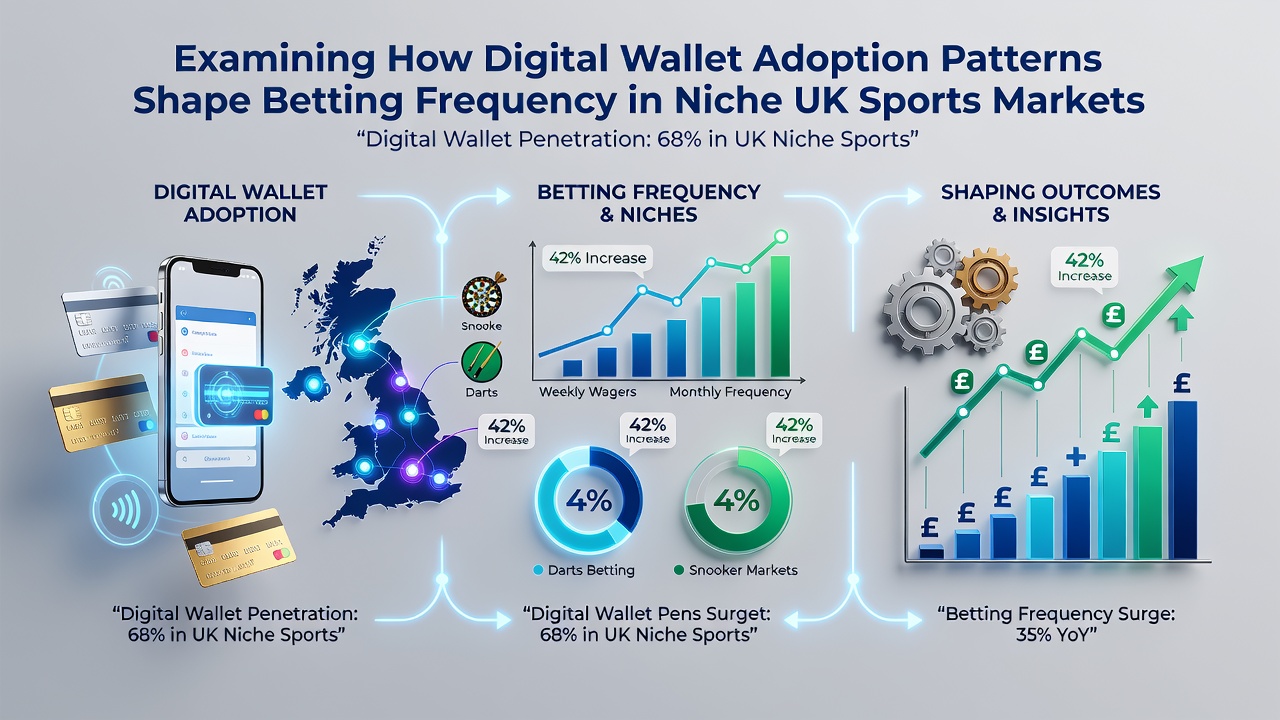
Data collected across multiple platforms indicates that digital wallet adoption has accelerated in the UK since early 2025, with transaction volumes rising notably in markets tied to niche sports such as greyhound racing, snooker, and darts, where bettors frequently engage in rapid, repeated wagers during events.
Researchers tracking payment method preferences have observed that users who shift to digital wallets tend to increase their betting frequency by measurable margins, because these tools reduce friction at the deposit and withdrawal stages while offering instant confirmation that aligns with live action timelines in lower-profile competitions.
Payment Method Shifts Across Niche Segments
Industry reports compiled through 2026 reveal that digital wallet penetration reached approximately 38 percent of active accounts in niche sports categories by September of that year, compared with roughly 24 percent two years earlier, and this change coincides with higher average bet counts per user in greyhound and darts markets where event cycles run continuously.
Those who monitor transaction logs note that wallet-enabled accounts show shorter intervals between wagers during multi-race or multi-match sessions, since balance updates occur without the delays sometimes associated with traditional bank transfers or card processing windows.
Regional Data Patterns and October 2026 Trends
Figures released in October 2026 from independent payment analytics firms highlight continued growth in wallet usage across northern and midland betting populations, where access to high-speed mobile networks supports on-the-go participation in regional sports fixtures that draw smaller but dedicated followings.
One study conducted by the University of Nevada's International Gaming Institute found similar correlations in comparable smaller-market environments, where wallet adoption correlated with a 14 percent lift in session frequency over six-month observation periods, and analysts have drawn parallels to UK niche segments because both involve bettors who value speed during extended live coverage windows.
Transaction Efficiency and User Behavior
Payment processors report that digital wallets now handle a growing share of micro-transactions under £10, which dominate activity in niche markets because odds fluctuate quickly and participants often place incremental stakes to manage risk across multiple outcomes within a single afternoon or evening of competition.
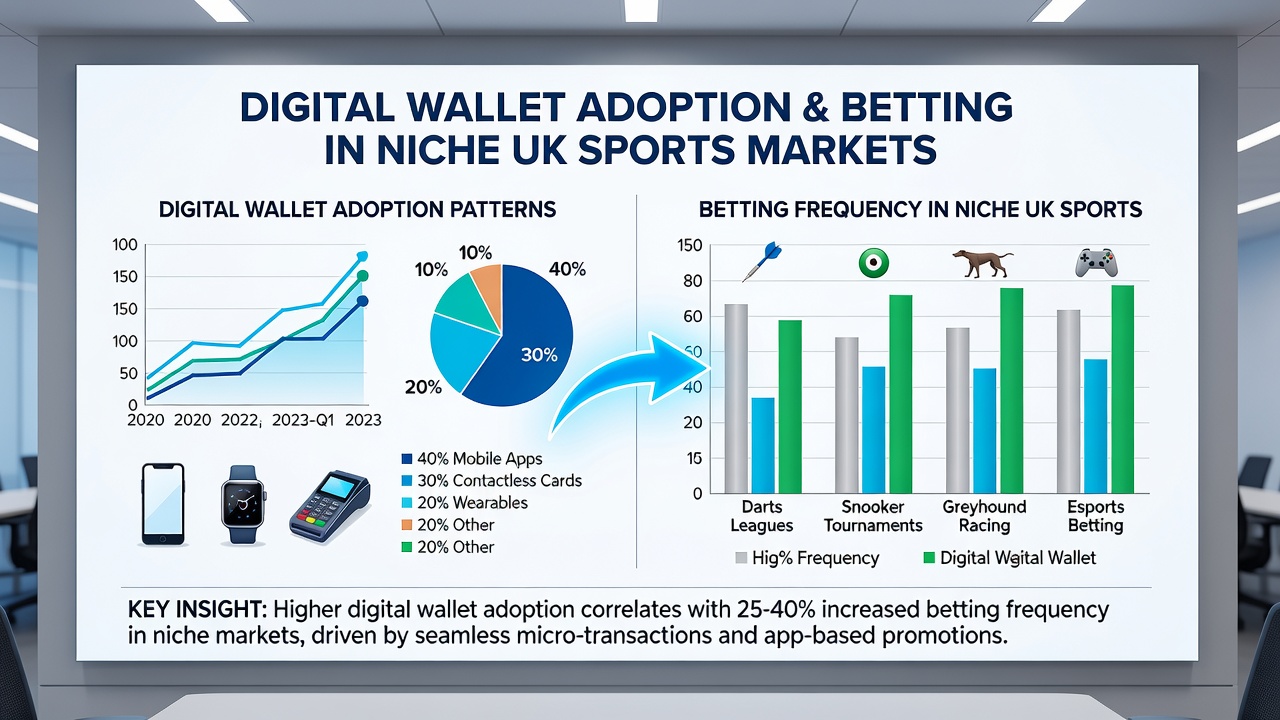
Observers examining account-level data have documented that withdrawal speeds associated with certain wallet providers encourage repeat deposits, since funds return to accessible balances within minutes rather than hours, thereby sustaining engagement through longer sessions focused on sports with frequent but modest-stake opportunities.
Comparative Insights from Broader Markets
According to statistics published by the Australian Communications and Media Authority, jurisdictions with mature digital wallet ecosystems demonstrate parallel upticks in betting cadence within non-mainstream sports, suggesting that infrastructure maturity rather than sport popularity drives the pattern, and UK operators have begun aligning their systems accordingly.
Canadian provincial regulators have likewise tracked elevated transaction counts after wallet integration in provincial gaming platforms, with researchers noting that the effect concentrates in events outside major leagues where participants value convenience to maintain momentum across extended betting periods.
Market Implications and Ongoing Monitoring
Trade associations tracking UK betting infrastructure report that operators serving niche segments have expanded wallet support options through 2026, coinciding with measurable increases in account activity rates, while data aggregators continue to segment results by sport type to isolate variables such as event frequency and average stake size.
Those reviewing longitudinal datasets emphasize that adoption curves vary by demographic, with younger cohorts showing faster uptake and correspondingly higher wager counts per session in darts and snooker categories, whereas older user groups display steadier but less pronounced shifts once wallets become the default method.
Conclusion
Patterns emerging from payment and betting records demonstrate that digital wallet adoption continues to influence activity levels in niche UK sports markets through reduced transaction friction and faster balance reconciliation, with data collected through October 2026 confirming sustained growth in user engagement metrics across greyhound, snooker, and darts segments in particular.
Further analysis from academic and regulatory bodies outside the UK has reinforced these observations by documenting comparable dynamics in other regions, underscoring the role of payment technology in shaping betting frequency where event structures reward repeated, timely participation.